Description
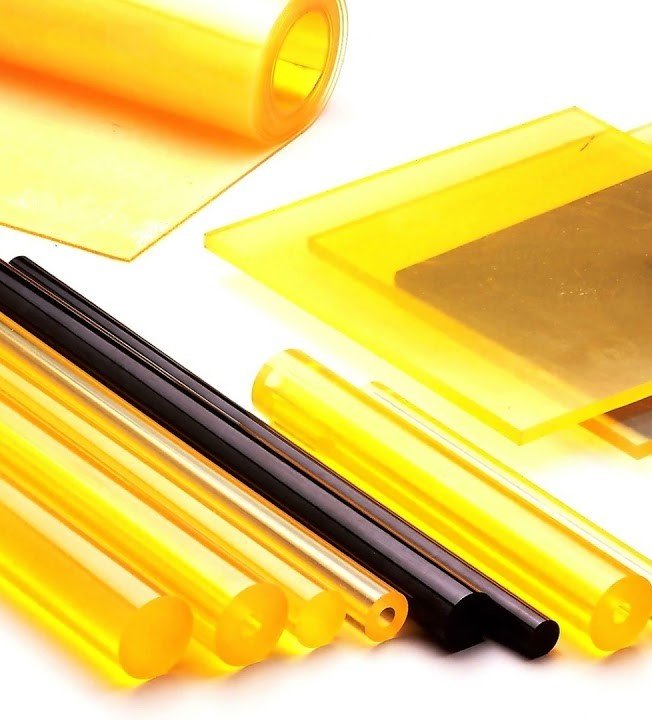
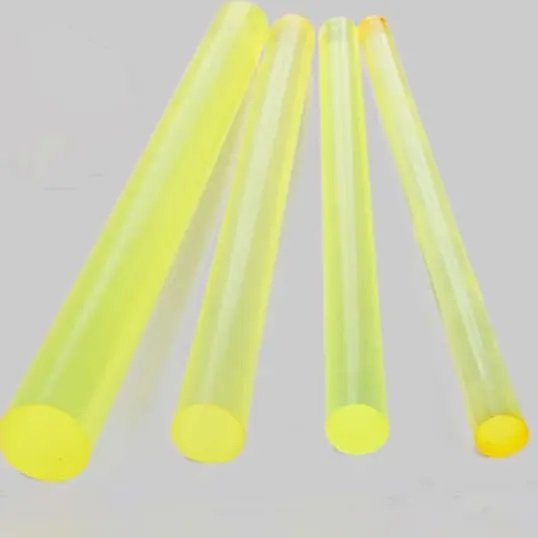
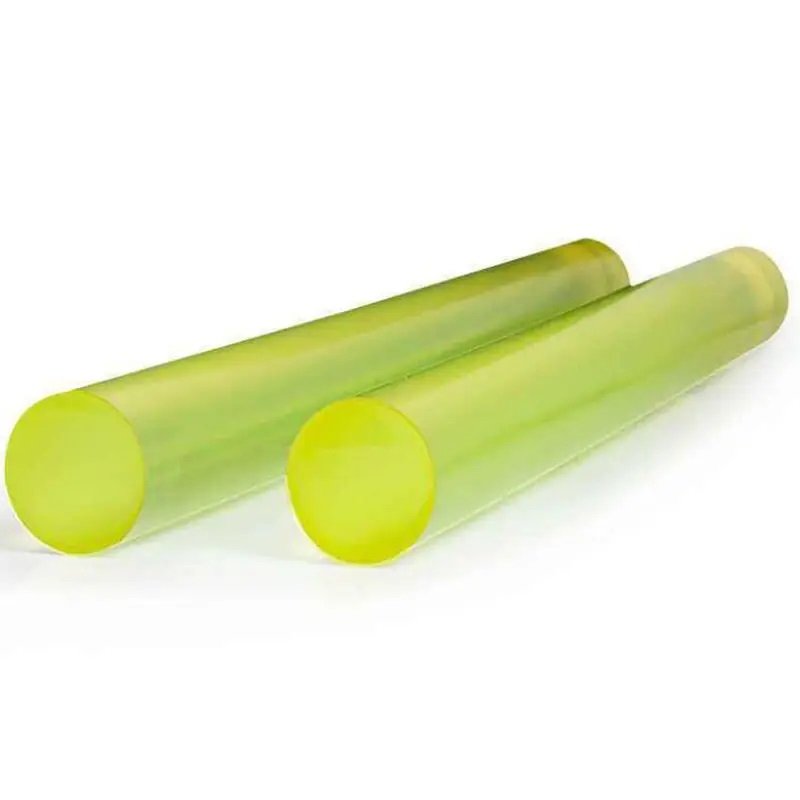
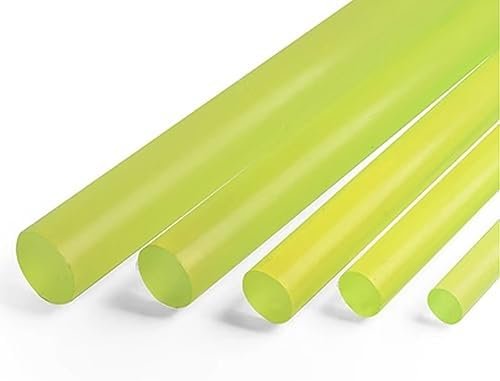
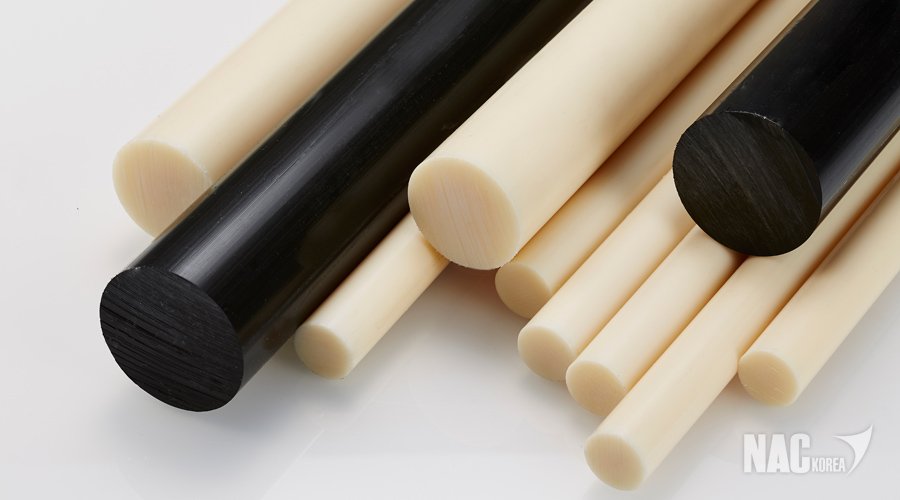
A PU rod, or polyurethane rod, is a cylindrical thermoplastic rod with many uses:
Durable: PU rods are more durable than rubber and can last up to four times longer.
Resistant: PU rods are resistant to weather, sunlight, abrasion, oil, grease, and solvents. They also have high shear strength and elasticity.
Versatile: PU rods can be used for a variety of applications, including:
Machining: PU rods are flexible and can be machined into custom shapes for low-volume products like bumpers, stops, and bushings.
Roller coasters: PU rods are often used as supports on roller coasters because of their high impact resistance.
Conveyor belts: PU rods can be used as the surface layer on conveyor belts.
Hoses and tubing: PU rods can be used in hoses and tubing for conveying certain liquids.
Bonding: PU rods can bond to metals and most plastics with reasonable preparation.
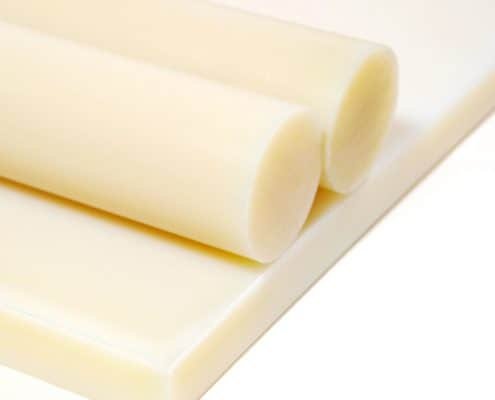
PU rods are available in different lengths, diameters, and hardness grades. They are also known by the trade names polyurethane bar stock, polyurethane round stock, and polyurethane round bar.
Polyurethane has many properties, including:
- Hardness: Polyurethane can be formulated to be soft and elastic, or hard and rigid. Hardness is measured on the Shore scale, with lower values indicating softer materials.
- Chemical resistance: Polyurethane can be formulated to resist a wide range of chemicals, including acids, bases, oils, and solvents.
- Bonding: Polyurethane can be permanently bonded to metals, plastics, and composites during the molding process.
- Insulating: Polyurethane is used in electrical networks due to its insulating properties.
- Antimicrobial: Polyurethane is antimicrobial in nature and does not support microbial colony formation.
- Ultraviolet shielding: Polyurethane has an ultraviolet shielding effect.
- Complex shapes: Polyurethane can be molded into complex shapes because it is liquid during molding.
- Compression set: Polyurethane has relatively low compression set properties.
- Low tooling costs: Polyurethane has lower tooling costs than other molding processes.
Polyurethane’s unique molecular structure is responsible for its many properties, including its hardness, flexibility, heat resistance, and tensile property.





Reviews
There are no reviews yet.